Physical-Digital Synced Electronic Seals: The Cornerstone for Building a Trustworthy Corporate Contract Ecosystem
Publish Time: 2025-12-08
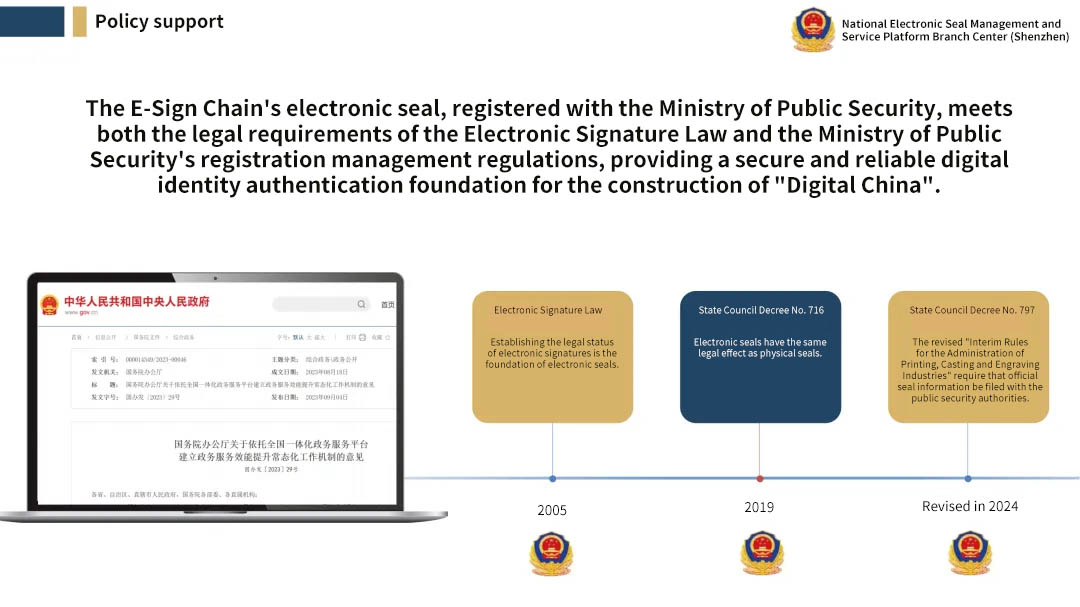
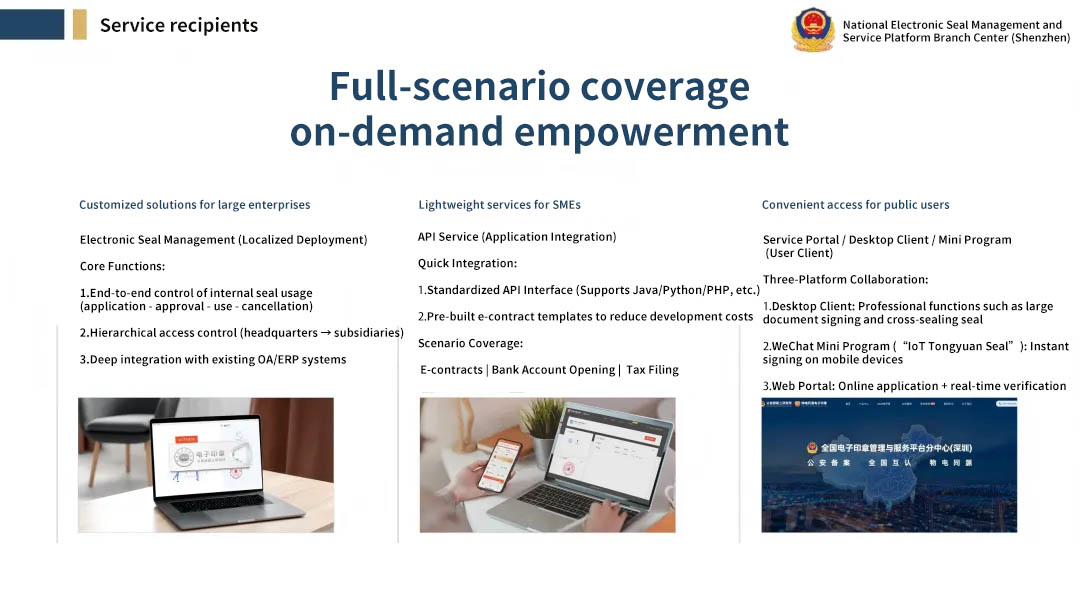
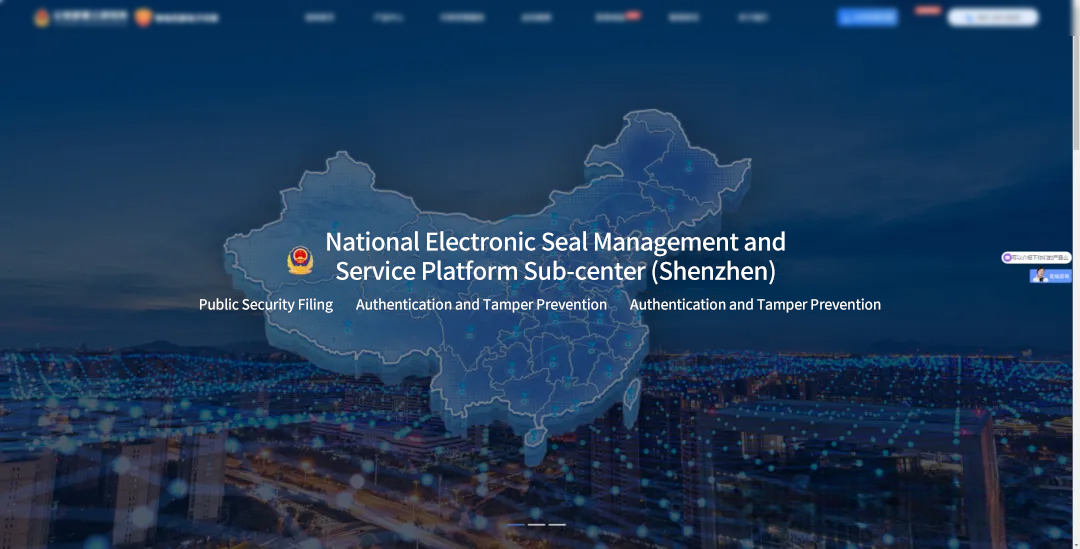
Electronic seals are gradually becoming the core medium for signing business contracts. However, current electronic seals still face challenges such as questionable legal validity, data security risks, and cross-platform recognition difficulties.The emergence of Physical-Digital Synced Electronic Seals provides an innovative solution to these problems, helping enterprises build a more secure, efficient, and trustworthy contract ecosystem.Current State of Electronic Seal UsageIn recent years, electronic seals have been widely adopted in scenarios like contract signing, internal approvals, and supply chain collaboration due to their convenience and efficiency. Electronic seals offer the following advantages:Remote Signing: Breaks geographical barriers, enhancing business efficiency.Tamper Resistance: Employs digital signature technology to ensure document integrity.Traceability: Records signing time, operator information, etc., facilitating audits.However, most electronic seals in the current market still suffer from these core pain points:Questionable Legal Validity: Some electronic seals lack certification from authoritative institutions, potentially facing difficulties in evidence presentation during legal disputes.Data Security Risks: Traditional electronic seals rely on a single digital certificate; once the private key is compromised, it could be maliciously misused.Difficulty in Cross-Platform Recognition: Electronic seal systems from different vendors are often incompatible, leading to inefficiencies in inter-enterprise collaboration.Innovative Solutions to Tackle the ChallengesPhysical-Digital Synced Electronic Seals achieve synchronized filing with, regulation by, and unified management alongside physical seals by public security authorities. They not only comply with the legal requirements of the 2005 "Electronic Signature Law" but also meet the regulations of many local governments requiring electronic seals to be filed with public security, ensuring authority, legality, and security.Authority: Public Security FilingSub-centers are authorized units for the production and service of Physical-Digital Synced Electronic Seals, responsible for filing them with public security organs.National Scope: Authoritative AuthorizationThe National Platform is a nationwide electronic seal platform established by the Third Research Institute of the Ministry of Public Security. Sub-centers are authorized by the Institute, possessing the authority to produce and service filed Physical-Digital Synced Electronic Seals.Authenticity: Physical-Digital SyncedElectronic seals are issued based on the national physical seal database of the Third Research Institute of the Ministry of Public Security, ensuring the electronic and physical seals originate from the same source. This grants inherent public trust and nationwide recognition capability.Security: One-Click VerificationPhysical-Digital Synced Electronic Seals issued by the National Platform support verification across the entire network and via mobile devices, enabling full-process traceability of signatures.Comprehensively Enhanced Secure ApplicationUtilizes professional equipment and servers from the Third Research Institute of the Ministry of Public Security, comprehensively elevating the security and trustworthiness of filed Physical-Digital Synced Electronic Seals.Enhancing Corporate Ecosystem EfficiencyEnterprise Contract Signing: Whether for daily procurement contracts, sales contracts, cooperation agreements, or investment agreements, Physical-Digital Synced Electronic Seals enable one-click signing, improving contract execution efficiency and accelerating business collaboration. Furthermore, their nationwide recognition advantage allows enterprises to easily sign contracts across provinces, greatly expanding market cooperation scope.Corporate Bidding: In bidding projects, the authenticity, legality, and timeliness of documents are paramount. The application of Physical-Digital Synced Electronic Seals ensures the signing of bid documents is secure and reliable, effectively preventing tampering or misuse. Moreover, their convenient signing and verification methods streamline the bidding process, enhancing transparency and fairness.Financial Loan Document Signing: The financial industry imposes extremely high requirements on contract security and compliance. The use of Physical-Digital Synced Electronic Seals in financial loan document signing not only meets the strict legal validity requirements of financial institutions but also safeguards loan contract information security through encryption technology and blockchain timestamping, reducing financial risks.Human Resources Agreement Signing: Signing HR documents such as labor contracts, confidentiality agreements, and training agreements between enterprises and employees can be easily accomplished with Physical-Digital Synced Electronic Seals. This not only improves HR department efficiency and reduces paper document management costs but also provides employees with a more convenient signing experience, boosting satisfaction.In the digital era, building a trustworthy contract ecosystem has become key to achieving sustainable enterprise development. Leveraging the security advantage of public security filing and its unique technological strengths, Physical-Digital Synced Electronic Seals effectively address issues like lack of interoperability, mutual recognition, and standardization in seal usage, providing enterprises with secure, efficient, and convenient contract signing solutions.As technology continues to advance and application scenarios expand, Physical-Digital Synced Electronic Seals will play an increasingly important role in more fields, becoming an indispensable tool on the path of enterprise digital transformation. Physical-Digital Synced Electronic Seals are committed to safeguarding the future development of enterprises and opening a new chapter in digital contract management.