Physical-Digital Homologous Electronic Seals: The Key Enabler for Digital Transformation in Supply Chains
Publish Time: 2025-12-02
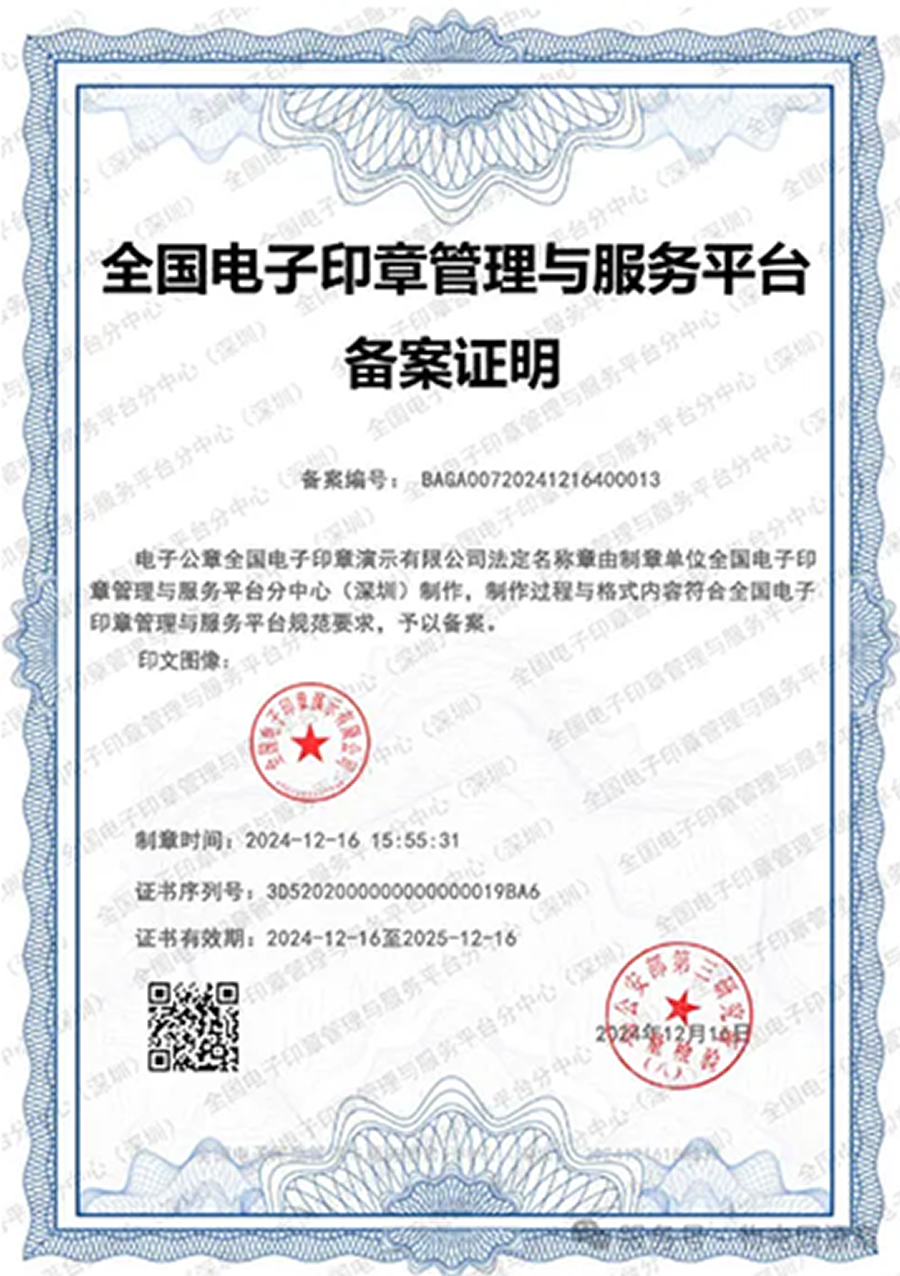
In supply chain management, the signing of critical documents such as contracts, purchase orders, and logistics papers is a fundamental operational process. However, traditional paper-based signing methods have long plagued businesses with significant inefficiencies:Low Efficiency: Documents require printing, physical stamping, and mailing, consuming days or even weeks and hampering business progress.High Costs: Cumulative expenses for paper, printing, and courier services can amount to millions annually for large corporations.Uncontrolled Risks: Paper documents are susceptible to loss, tampering, and frequent issues of seal misuse or forgery, leading to high dispute resolution costs.Cumbersome Management: Cross-regional and inter-departmental collaboration involves complex seal approval processes that are difficult to monitor in real-time.Faced with these challenges, the Physical-Digital Homologous Electronic Seal emerges as a precise digital key, unlocking new possibilities for enterprises trapped in these supply chain inefficiencies.What is a Physical-Digital Homologous Electronic Seal?A Physical-Digital Homologous Electronic Seal is issued via the national platform administered by the Third Research Institute of the Ministry of Public Security. Each seal possesses a unique public security filing certificate and holds equivalent legal validity to its physical counterpart. It is defined by three core advantages: Public Security Filing, Nationwide Mutual Recognition, and Physical-Digital Homology.How It Empowers the Supply Chain1. Contract Signing: Secure and CompliantSupplier Agreements: Enable online signing of procurement contracts and framework agreements, eliminating postal delays and accelerating partnership finalization.Logistics Documents: Facilitate real-time stamping of electronic waybills and delivery confirmations, ensuring full traceability of logistics information.2. Order Collaboration: A Fully Paperless ProcessPurchase Orders: Allow suppliers to confirm orders online with complete process traceability, reducing manual verification errors.Reconciliation & Settlement: Permit direct online review and electronic sealing of settlement statements, accelerating financial workflows and enhancing capital turnover efficiency.3. Remote Signing: Breaking Geographical BarriersCross-Regional Cooperation: Enterprises can execute remote signings using electronic seals, eliminating the need for cross-regional mailing of original documents.Customs Declarations: Compliant with standards such as the Electronic Signature Law, significantly improving processing efficiency.Application ScenariosProcurement Phase: Contract signing between enterprises and suppliers is a critical link in the supply chain. Utilizing Physical-Digital Homologous Electronic Seals allows companies to swiftly execute contracts with suppliers, ensuring timely raw material supply. Historical contracts are readily accessible for review and procurement data analysis, providing valuable insights for future decision-making.Logistics Phase: The signing of documents involved in transportation, such as waybills and warehousing agreements, can be efficiently handled with these seals. Logistics companies can execute online waybill signings with shippers and consignees, guaranteeing the accuracy and timeliness of cargo transportation information.Sales Phase: The signing of sales contracts and orders between enterprises, distributors, and end-clients can be streamlined. This not only boosts sales efficiency but also elevates the customer service experience. By leveraging these seals, businesses can rapidly respond to retailer demands, promptly finalize contracts, and confirm orders, thereby facilitating product sales and distribution.Key Characteristics of Physical-Digital Homologous Electronic SealsPublic Security Filing: Electronic seals issued by the Shenzhen Sub-center of the National Electronic Seal Management and Service Platform come with a filing certificate issued by the Third Research Institute of the Ministry of Public Security, ensuring authority and public trust.Nationwide Mutual Recognition: Documents signed with these seals can be uniformly verified and mutually recognized across the national platform of the Third Research Institute of the Ministry of Public Security.Physical-Digital Homology: Issued by the Shenzhen Sub-center, these seals represent an advancement from simple imagery to a structured, element-based, and cryptographically secure format. This achieves homologous public security filing, supervision, and unified management for both physical and electronic seals.The Physical-Digital Homologous Electronic Seal not only addresses the pain points of traditional signing methods but, with its legal compliance, security, and high efficiency, stands as the key enabler for digital transformation within supply chains.