How does an electronic private seal ensure the uniqueness and unforgeability of identity authentication in digital document signing?
Publish Time: 2026-04-13
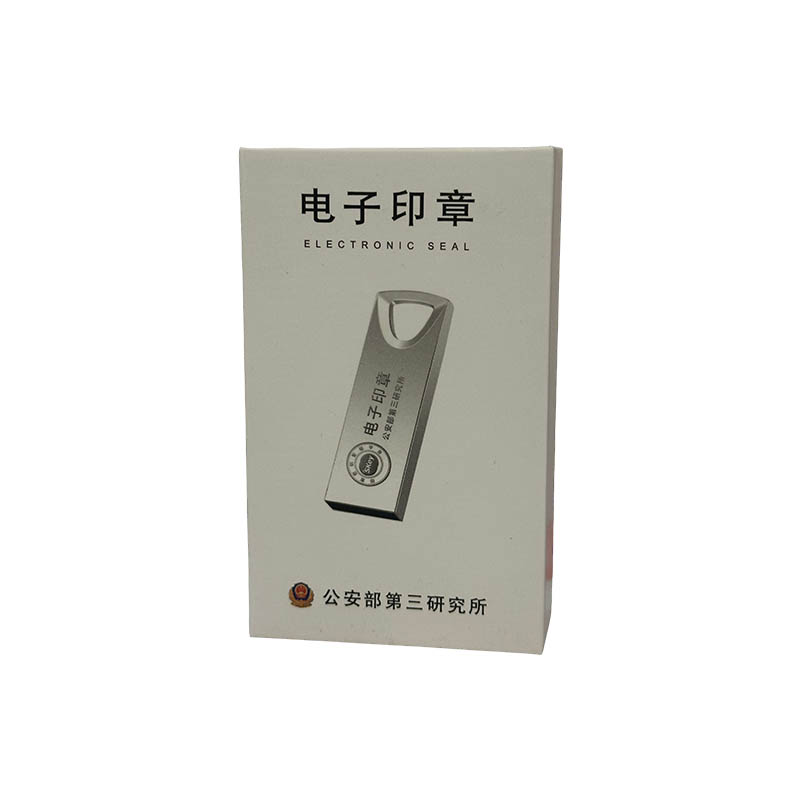
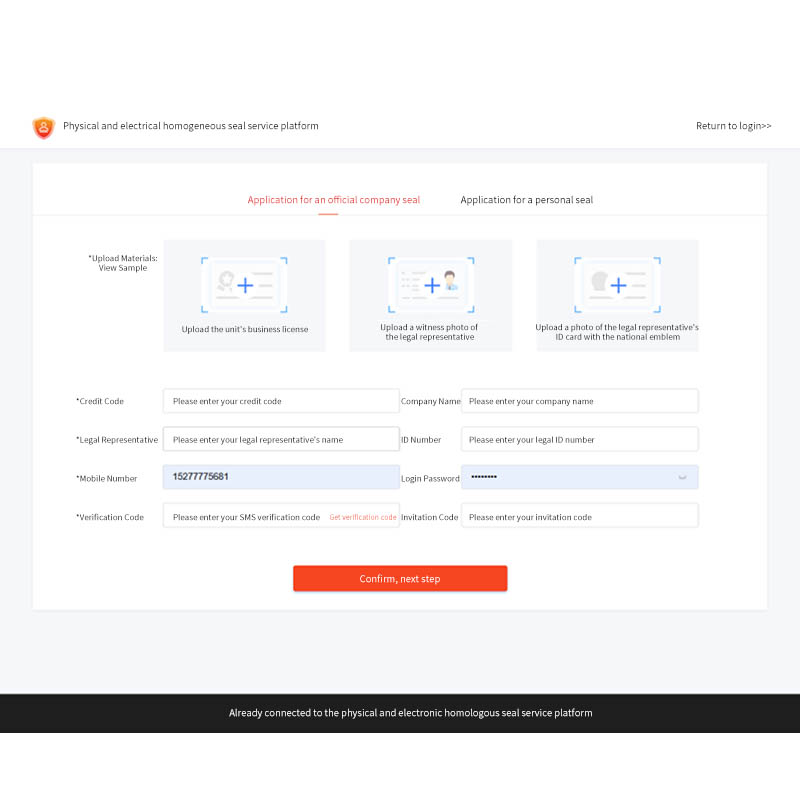
With the widespread application of digital office work and electronic contracts, electronic private seals have become an important tool to replace traditional physical seals. Their core value lies not only in achieving efficient signing but also in ensuring the uniqueness and unforgeability of the signatory's identity. To this end, a multi-layered trusted system needs to be built, relying on cryptographic technology, identity authentication mechanisms, and system security design.1. Identity Uniqueness Based on Digital CertificatesElectronic private seals are typically closely integrated with a digital certificate system. Each user completes real-name authentication through an authoritative certification authority during registration, generating a unique digital certificate. This certificate contains the user's identity information and public key, forming a one-to-one correspondence with the private key. Since the private key is held only by the user, only the legitimate holder can complete the signing operation, fundamentally ensuring the uniqueness and unalienability of identity.2. Asymmetric Encryption Ensures UnforgeabilityThe core technology of electronic private seals is asymmetric encryption algorithms. When signing documents, the system uses the user's private key to encrypt the document digest, generating a digital signature. The recipient verifies the signature using the corresponding public key. Once verification is successful, the signer's identity and document integrity are confirmed. Because the private key is highly confidential and difficult to copy, this mechanism makes electronic private seals virtually impossible to forge, effectively preventing impersonation.3. Multi-factor Authentication Enhances SecurityTo further enhance security, electronic private seals typically incorporate multi-factor authentication mechanisms. For example, multiple verifications such as passwords, SMS verification codes, and biometrics are required before using the seal. This "multi-threshold" design effectively prevents unauthorized use due to lost devices or leaked accounts, thereby strengthening the reliability of identity authentication.4. Anti-tampering and Integrity Verification MechanismDuring the digital document signing process, the system generates a unique hash value for the document content. Once the document is tampered with, the hash value changes, and signature verification fails. Therefore, electronic private seals not only confirm the signer's identity but also ensure the integrity and immutability of the document after signing. This feature gives electronic documents the same or even higher legal effect than paper documents.5. Secure Storage and Key ManagementSecure management of private keys is crucial to ensuring unforgeability. Typically, private keys are stored in secure hardware modules or high-security cloud environments and protected by encryption. The system also restricts the export and copying of private keys to prevent malicious acquisition. Furthermore, regularly updating certificates and keys further reduces potential risks.6. Audit Trail and Legal ProtectionElectronic private seal systems usually have complete operation log recording capabilities, including signing time, IP address, device information, etc. This data can be used for post-event auditing and dispute resolution, providing traceable evidence of the signing action. Legally, many countries and regions have recognized electronic signatures, ensuring the reliable legal validity of electronic private seals.In summary, electronic private seals, through the collaborative application of various technologies such as digital certificates, asymmetric encryption, multi-factor authentication, and security management, achieve uniqueness and unforgeability of identity authentication. While ensuring security, it also greatly improves the efficiency and credibility of digital document signing, becoming an important infrastructure for modern digital offices.