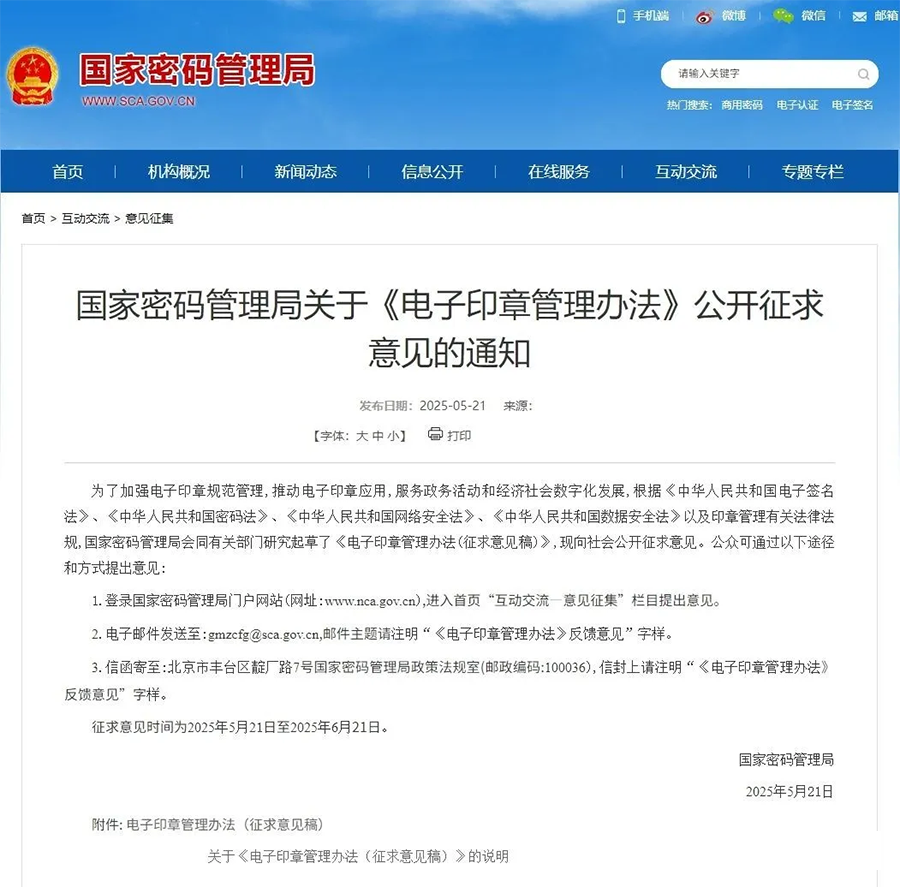
Recently, the State Cryptography Administration of China released a public consultation notice on the Measures for the Administration of Electronic Seals, signaling that national supervision of electronic seals has entered a new phase. Against this backdrop, how can enterprises align with the new policy direction and successfully avoid potential “pitfalls” in the use of electronic seals?
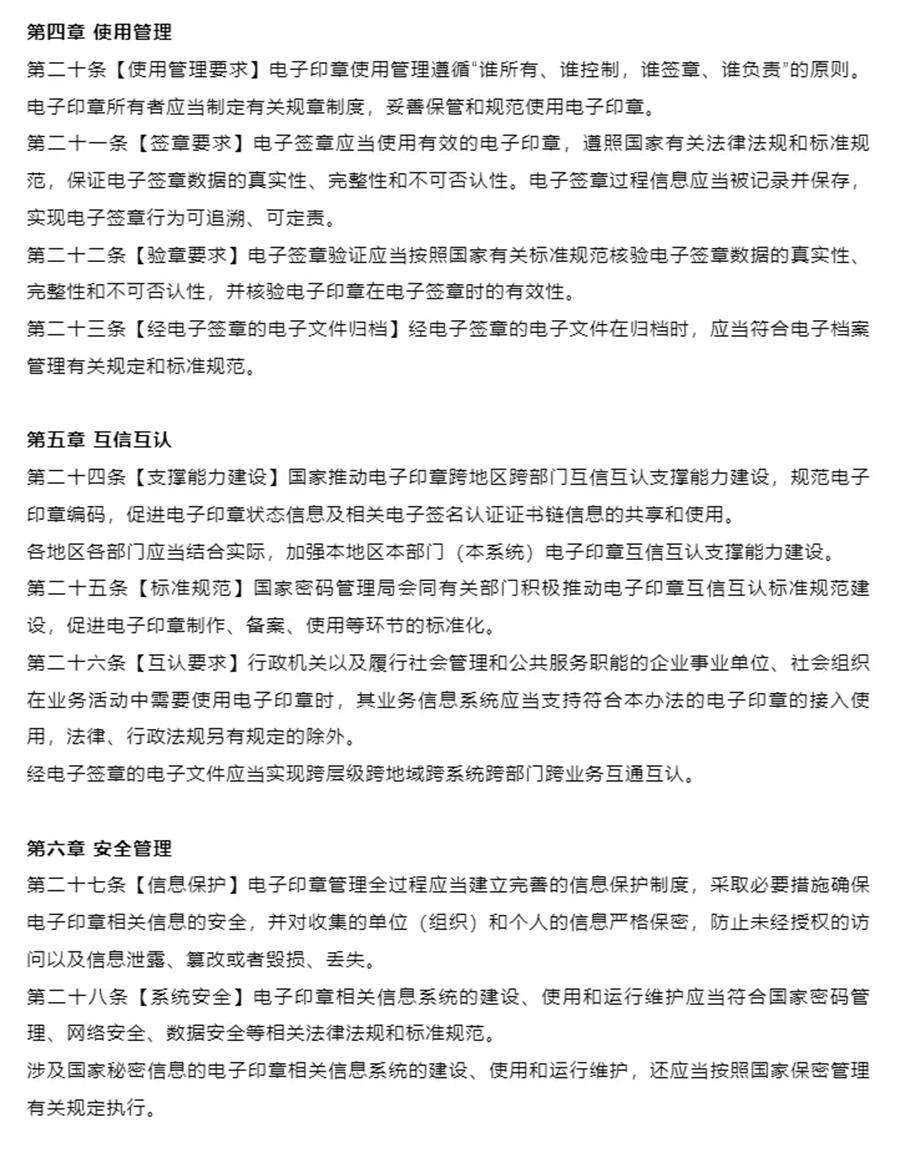
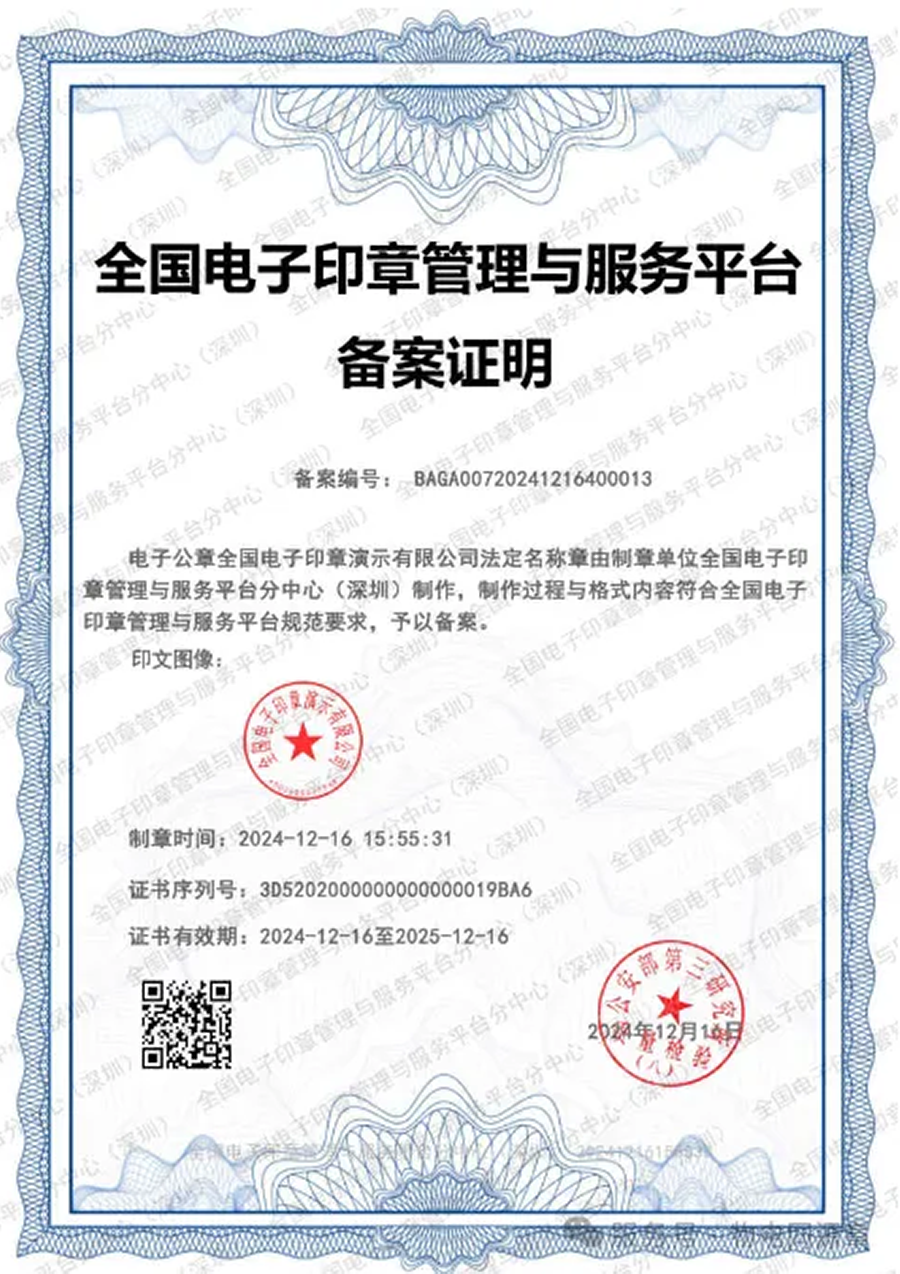
Policy DirectionIn the draft of the Measures for the Administration of Electronic Seals released for public consultation by the State Cryptography Administration, clear requirements are set out to ensure the authenticity, integrity, and traceability of electronic seals. The draft also promotes mutual trust and mutual recognition across regions and departments, unified standards, and support for integration with business systems. At the same time, it emphasizes information security protection, requiring system construction to comply with regulations on cryptographic management and cybersecurity, and to prevent information leakage or tampering.Risks Associated with Certain Electronic SealsThe widely discussed “fake official seal” incident involving the Hangzhou Huaqiao Group last year continues to raise doubts about the authenticity of the electronic seals used on certain contracts by a well-known enterprise. This case has also highlighted the reality that some electronic seals currently on the market still pose security risks:Lack of standardized norms: With inconsistent and incomplete standards, the quality of digital certificate providers varies significantly. The market remains highly fragmented, and there is a lack of unified standards for electronic seal formats, signed document formats, and cryptographic algorithms. As a result, interoperability and mutual recognition are difficult to achieve, and secure adaptation across multiple application scenarios is limited.A Lawful and Compliant “Electronic Identity Card”Public security–filed, physical–digital homogenous electronic seals play an essential and irreplaceable role in addressing seal anti-counterfeiting challenges in the digital era.Physical–Digital HomogeneityElectronic seals issued by the Sub-Center (Shenzhen) of the National Electronic Seal Management and Service Platform are upgraded from simple image-based representations to element-based, structured, and cryptographically protected forms. This enables physical seals and electronic seals to share the same origin through public security filing, supervision, and unified management.Public Security FilingElectronic seals issued by the Sub-Center (Shenzhen) of the National Electronic Seal Management and Service Platform are accompanied by an electronic seal filing certificate issued by the Third Research Institute of the Ministry of Public Security, ensuring authoritative endorsement and public credibility.Nationwide Mutual RecognitionElectronic signature documents signed with electronic seals issued by the Sub-Center (Shenzhen) of the National Electronic Seal Management and Service Platform can be uniformly verified on the national platform of the Third Research Institute of the Ministry of Public Security, enabling interoperability and mutual recognition nationwide.When selecting an electronic seal service, enterprises should focus on whether it is lawful and compliant, and whether it has judicial recognition. Public security–filed, physical–digital homogenous electronic seals not only comply with the requirements of the Electronic Signature Law, but also meet public security filing requirements for electronic seals. Choosing public security–filed, physical–digital homogenous electronic seals provides reliable protection and assurance for your enterprise.